
Field guide
This is for the person it is happening to, not the person explaining it. Twelve things to do over three months, in the order that makes each one easier than the last.
What this does not do. It does not make your job safe. Nobody can sell you safe, and anyone offering it is guessing or lying. Ninety days is also not long enough to retrain into a different career, so nothing here pretends otherwise.
What it does. It moves you from "something is happening to me" to "I know where I stand and I have options." That is a smaller promise and it is the one that survives contact with reality. It is also the difference between dread, which has no shape, and a problem, which does.
Nothing you tick or type here is stored, sent, or retained. Use the buttons at the end to take it with you.
Days 1 to 30
Most of the fear in month one is made of things you have not checked. This month is entirely about replacing guesses with facts, including the unwelcome ones.
Whole occupations rarely disappear at once. Individual tasks move constantly, in different directions, and nobody announces it. Write down the six to eight things you actually spend time on, then score each one on how much of it a model could do today. Your title tells you nothing useful. Your task list tells you everything.
A lot of what frightens people turns out to be a rumor repeated at three removes. Ask directly what has been decided, what has not, and when the next decision lands. A manager who will not answer that has told you something too, and it is information you can use rather than a reason to panic.
How many months could you cover if the income stopped. Not a budget, not a plan, one number on a piece of paper. Most people have never worked it out, and the not-knowing does a remarkable amount of the damage on its own. Whatever the number is, you will make better decisions knowing it than guessing at it. We are not going to tell you what to do about the number, because that is genuinely not our business.
Two columns on one page. Whether your company buys the tool, when the reorg lands, what the board decided in March: not yours. Which tasks you own, what you are visibly good at, who knows what you can do, what you learn this quarter: yours. The right-hand column is longer than it feels at 3am, and the left-hand one deserves none of your evenings.
Days 31 to 60
Everyone is being told to get fluent. Fluency is worth having and it is not a position. A position is being the person a specific decision is harder to make without.
Gallup found the two biggest drivers of whether people actually use AI at work are integration with existing systems and a manager leading adoption. Somebody in your team has to do that unglamorous work of making the thing fit the way you already work. If you volunteer, you stop being a cost line in the rollout and start being part of how it succeeds. That is a different conversation to be in.
The work these systems do best is the work with no judgment in it. So produce one artifact this month where the value is a decision rather than an output: the recommendation with the reasoning attached, the analysis that says which option to drop and why, the plan that names what you are deliberately not doing. One finished thing beats four started ones.
The relationships, the history, the fact that you are the only person who knows why that process has the weird step in it. This is most of what makes you hard to replace and none of it is written down anywhere, which means it is invisible exactly when someone is drawing boxes on a chart. Get it on paper, then get it said out loud to someone senior.
Plenty of people are quietly using these tools and saying nothing, on the theory that admitting it invites the question of why they are still needed. In a company that has decided to push AI, the effect is the opposite: you look slow rather than safe. Be visible about what you use, what it does well, and where it fails. The last part is the part that sounds like expertise.
Days 61 to 90
Options are worth more than predictions. You cannot know what happens. You can arrange things so that more than one outcome is survivable.
Not a performance review and not an ultimatum. Ask what the plan is for work like yours, say what you want to be doing in a year, and ask what would have to be true for that to happen. Bring the task map from month one, because a conversation about specific tasks goes somewhere and a conversation about feelings about AI does not.
Find two people doing adjacent work somewhere else and talk to them. Not about a job, about what is actually changing where they are. You learn what your skills are worth outside a building that has stopped valuing them, and you refresh the relationships that turn into roles later. The jobs that exist in twelve months get found through people, not postings.
Score the same tasks again. Something will have moved, and seeing it move is worth more than any forecast, because it is your own work rather than an average. Then put a date in the calendar to do it again in six months, which is roughly the pace at which the honest answer changes.
This is the one most people skip and the one that pays. It gets its own section below.
Finish this sentence and keep it somewhere you will find it: if this happens, I start looking seriously.
Write it today, because the week it actually happens is the week you will be least able to think. People who have not decided in advance tend to do one of two things, and both are expensive: they leave in a panic over something small, or they stay eighteen months past the moment it became obvious, because every individual week looked survivable.
A useful trigger is observable by someone other than you, and dated. Some that qualify:
Then leave it alone. The point is not to watch for it. The point is that you have already decided, so the day it arrives you execute instead of spiraling.
If you also lead people, the other half of this is what to say to your own team, which is a harder job than it looks. If you want to know whether your fear tracks reality, we went and checked: what the evidence says about AI and jobs.
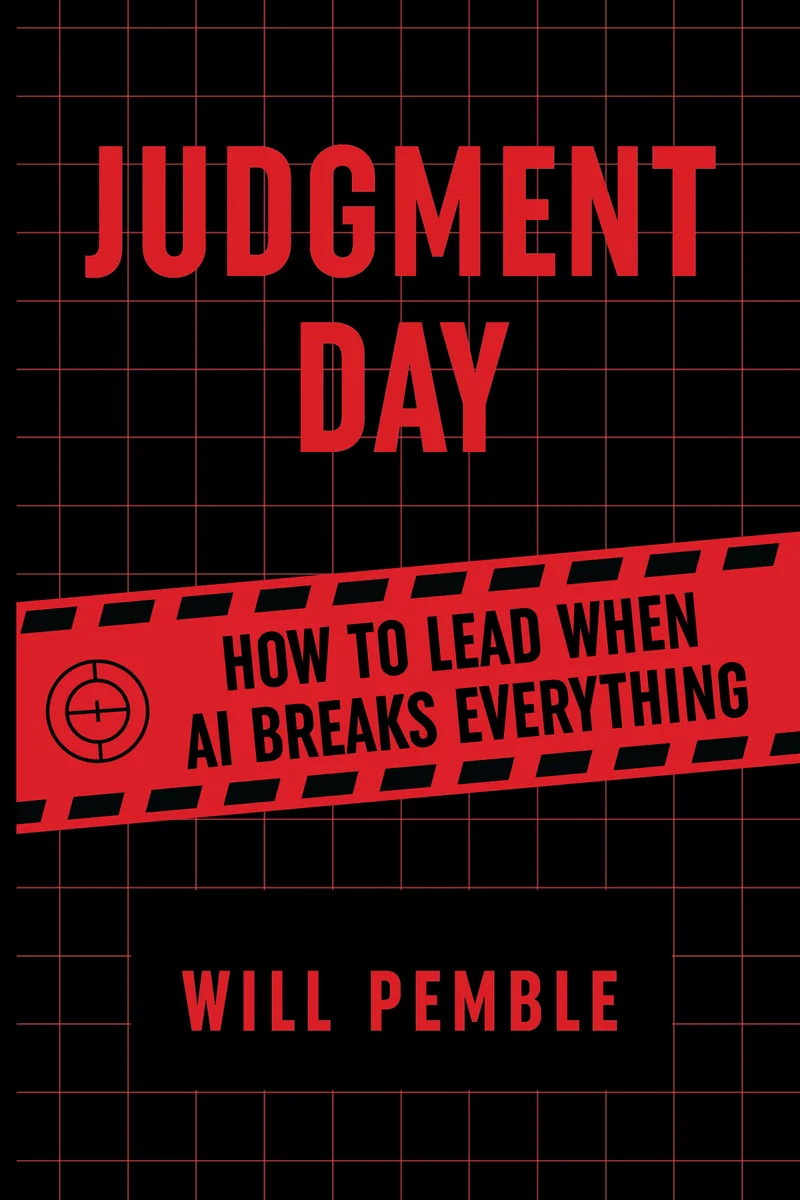
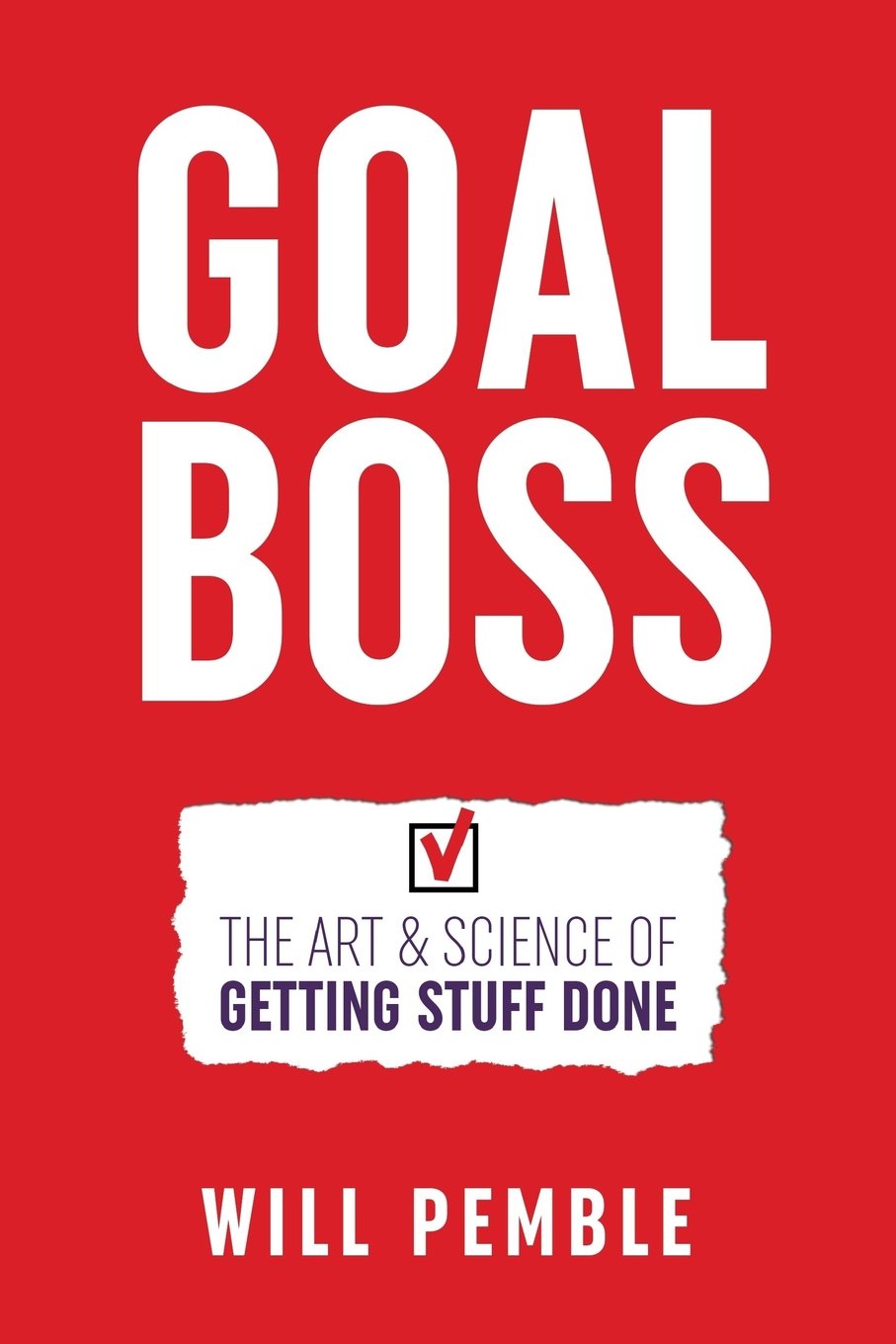
Two books by Will Pemble
Judgment Day is how to lead when AI breaks everything.
Goal Boss is the method underneath it.
Connect with Us:


© 2026 Goal Boss. All rights reserved.
Goal Boss uses cookies to improve your experience, analyze traffic, and provide secure services. By clicking Accept All, you consent to all cookies. By clicking Reject Non-Essential, only strictly necessary cookies will be used. See our Privacy Policy for details.
